
Nature as a solution to respond to climate change challenges
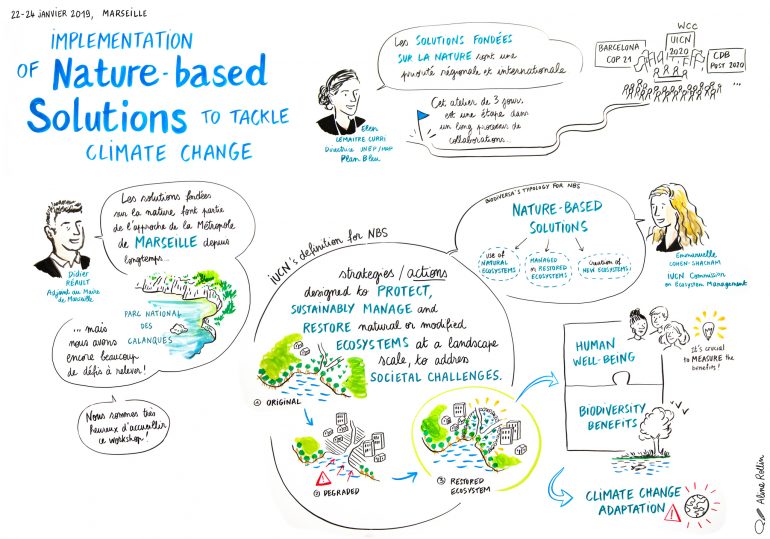 Researchers, practitioners and policy makers from the Mediterranean region and the European Union met to discuss the benefits and challenges of implementing Nature Based Solutions (NbS). From 22 to 24 January, 2019, the city of Marseille hosted the workshop entitled “Implementation of Nature-based Solutions(NbS) to Tackle Climate Change: Focus on the Mediterranean Region”. The event provided attendees with an opportunity to identify new collaborations while sharing European and Mediterranean best practices and challenges related to NbS. It also provided policy-makers with increased awareness regarding the importance of healthy ecosystems for effective adaptation to climate change. Organized by Plan Bleu, IUCN Centre for Mediterranean Cooperation, the IUCN French Committee, Conservatoire du Littoral, Tour du Valat, MedWet and Wetlands International, the workshop bring together a diverse group of more than 100 participants from the Mediterranean region and the European Union, including researchers, practitioners, policy-makers, local authorities, civil society, and NGOs. Participants had a chance to share and discuss their perspectives regarding opportunities and challenges related to implementation of Nature-based Solutions.
Mediterranean societies are currently facing a wide range of challenges stemming from unsustainable urbanization and impacts on health, including degradation and loss of biodiversity, lack of clean air, water and soil, and climate change impacts which are resulting in an alarming increase of natural disasters. However, through actions that restore natural or modified ecosystems, nature itself can provide adaptive solutions that address societal challenges. These nature-based solutions offer sustainable, economical, versatile and flexible alternatives to the more traditional civil engineering developments or technologies. They can also help create new jobs and stimulate growth, all while protecting or enhancing biodiversity. For more information visit the website.
 BE.Hive: Climate Change Needs Behavior Change is a one-day summit to explore global climate change through the lens of human behavior.
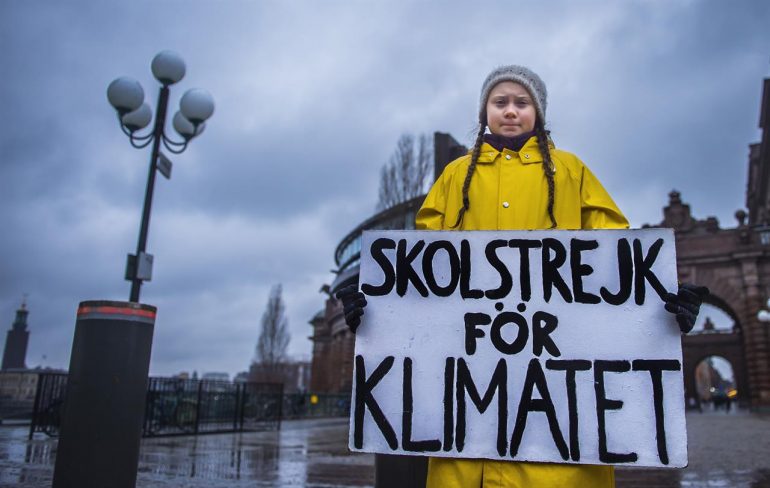 Tout a commencé en août dernier quand une jeune suédoise de 15 ans (elle en a 16 aujourd’hui) désormais célèbre,
 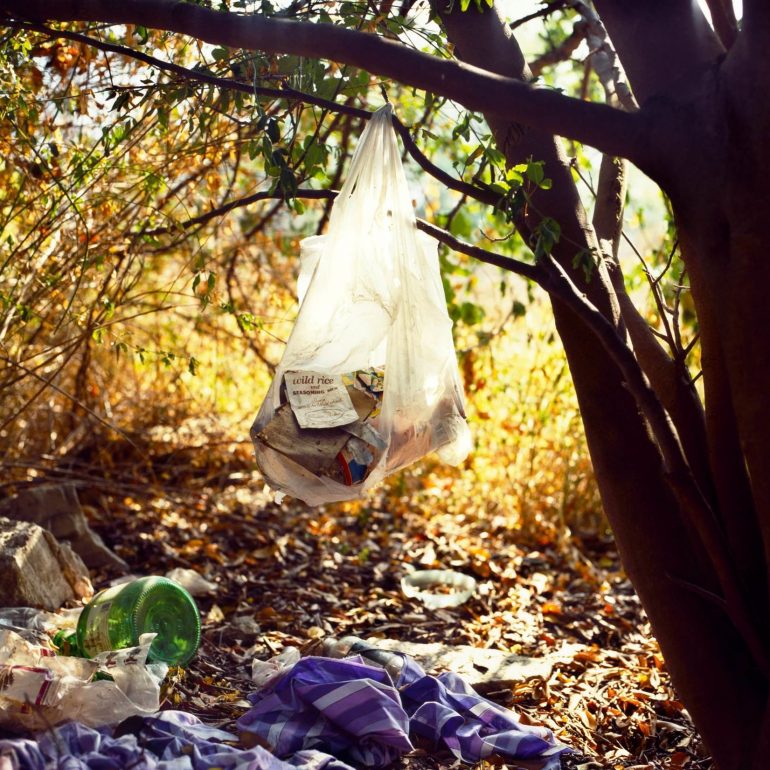 Fundación MAPFRE is launching its 2019 season with the first exhibition to be held in Spain on the American photographer Anthony Hernandez (born Los Angeles, 1947), which will also be the first major retrospective devoted to him. Featuring more than 110 photographs, “The confusing gaze of Anthony Hernandez” will offer an extensive survey of Hernandez’s lengthy and prolific career while also celebrating his distinctive and unique style of street photography and its significant evolution over time.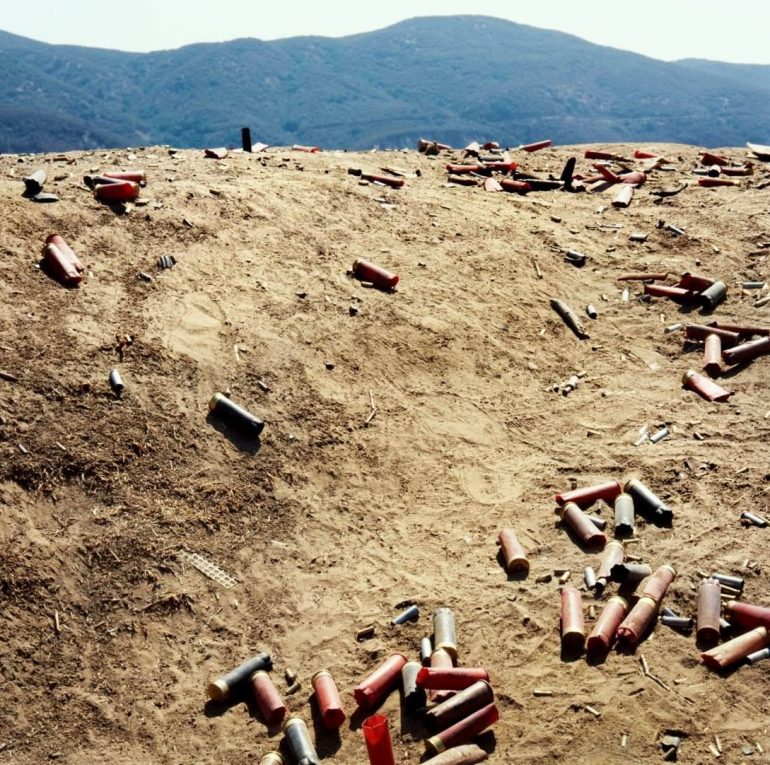
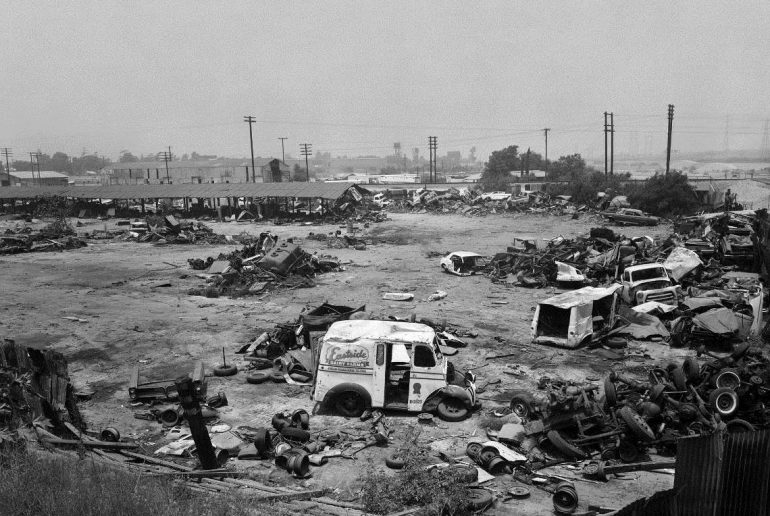 In his photos of Los Angeles, Hernandez avoids any overt form of cliché, using his camera to capture anonymous citizens going about their business, waiting for buses or engaged in simple pleasures designed to help cope with their daily lives. Neither does the photographer shirk from more distressing issues such as homelessness, evictions and those affected by economic crises. However, his images go far beyond mere social documentation, in that all his work reaffirms his interest in formal beauty and composition.
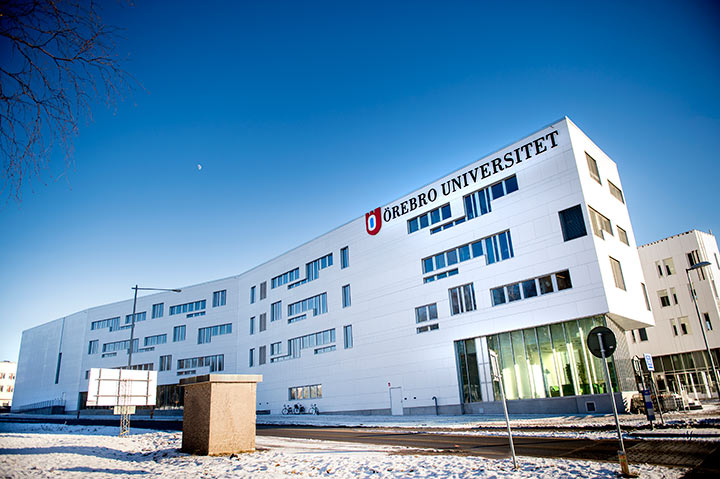 The first one is for a Postdoctoral researcher in sociology with focus on International expert organisations: the School of Humanities, Educational and Social Sciences is seeking a postdoctoral researcher in sociology for a fixed-term appointment.
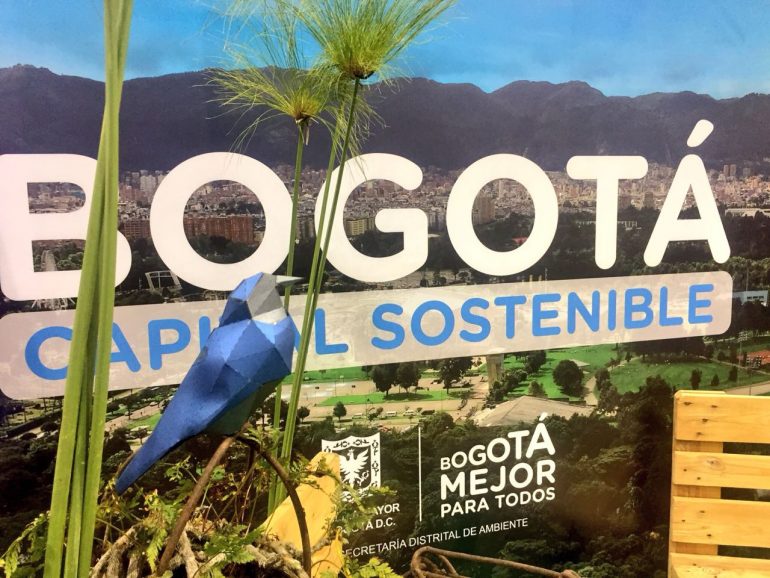 SEI (
SEI ( It is possible now to enroll in the open, online course (or MOOC) entitled
  One extra place is available at the
 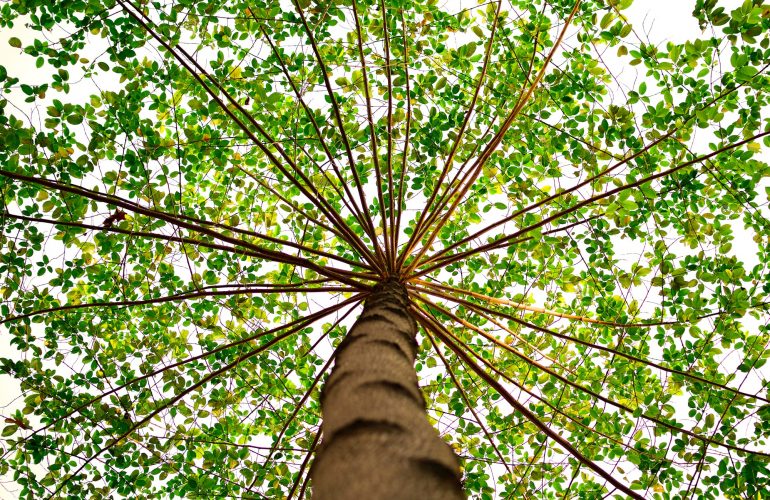 “I’m interested in the particularity of each Tree – it’s ‘thisness’ (haecceitas)”, claims Canadian land-artist, photographer, and poet Marlene Creates, thus hinting both at the specificity of each singular tree and at the uniqueness of certain species at different latitudes. Literature, among other arts, such as film, photography, the fine arts, is one of those privileged terrains where Trees definitely enter our field of vision, our epistemic knowledge, our sensorial experience. In literary and artistic productions, Trees are ethically and aesthetically called into question (evoked, invoked, iconized, prized, iven attacked), with the aim to identify, describe, or allegorize their singularities and specificities, or to pay homage to their material, literal, cultural, ethnic, and symbolic meaning through a variety of textualities, including the new media.
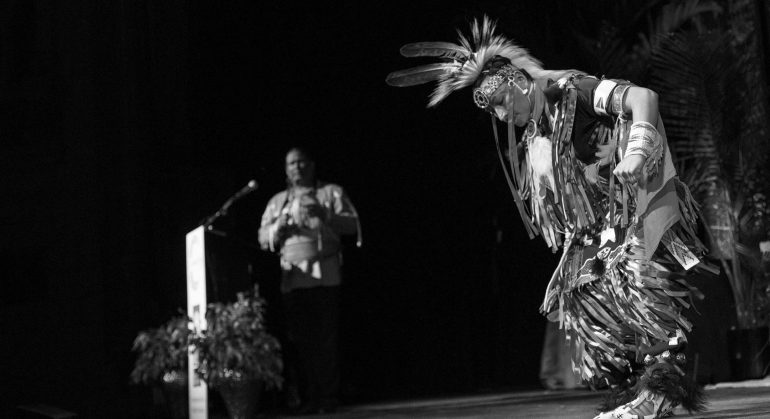 The Equator Prize 2019 will be awarded to outstanding community and indigenous initiatives that are advancing nature-based solutions for local sustainable development. Each winning group will receive USD 10,000 and will be invited to participate in a series of policy dialogues and special events during the United Nations General Assembly and the Secretary-General’s Climate Summit in New York in September 2019, culminating in a high-level award ceremony at the beginning of Climate Week.