/in News/di /Lascia un commento

ACT4LITTER: Closing regional conference

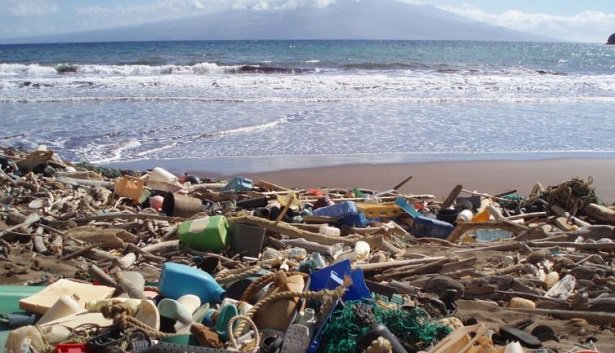
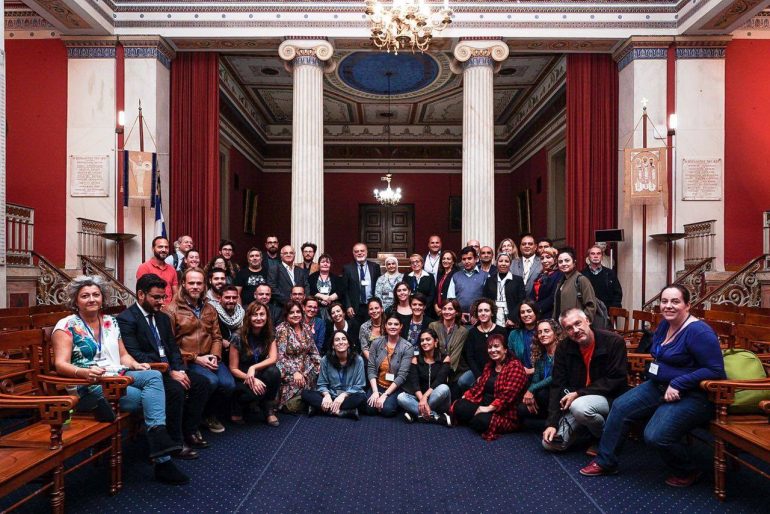
The main objective of the closing ACT4LITTER conference (Athens, October 24th) is to showcase the collective response of the Mediterranean to curb the problem of marine litter. The event is orgnised by Mio-Ecsde in collaboration with Regional activity centre for sustainable consumption and production, San’Anna Institute of management, Med Pan and founded by European Union Life+. It brings forward recent scientific advances with regards to marine litter and its impacts in the region and will provide an opportunity to key stakeholder groups active on the science-policy-society interface to share their compelling stories and hands-on experiences.

The conference features initiatives that address the whole management cycle of marine litter, from prevention, monitoring and surveillance to mitigation measures, carried out at European, Mediterranean, national and local level.
Special emphasis is given to litter that is building up in what should be pristine coastal and marine protected areas, where marine biota and endangered species dwell. Working together at all levels is what it takes to deal with this ‘wicked’ problem.

/in News/di /1 commento

A plastic-free Mediterranean Sea in the making

Mediterranean Members of Parliament and key stakeholders discuss the state of play and realistic steps forward (Brussels, November 21st, European Parliament).

Most Mediterranean countries, on both shores, are at a moment when Parliaments are deciding on measures to curb the use of single use plastics and mainly plastic bags. Are the most informed decisions being made? What should the next steps be?

The root causes of marine litter in the Mediterranean are the same as anywhere else in the world: a complex combination of production and consumption patterns, irresponsible behavior of individuals and economic sectors, lack of policy and legislative frameworks, weak solid waste management practices, misconceptions related to possible solutions, fragmented understanding of the problem due to the lack of fit-for-purpose data.

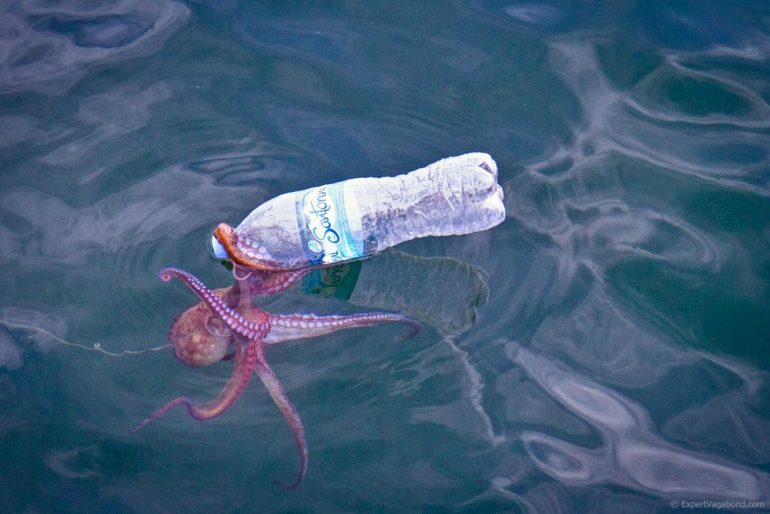
Large amounts of plastic waste leak into the marine environment from sources on land and at sea, generating significant environmental and economic damage. They are estimated to account for over 80% of marine litter. Single-use plastic items are a major component of the plastic leakage and are among the items most commonly found on beaches, representing some 50% of the marine litter found.

Being one of the most affected seas by marine litter worldwide, Mediterranean decision makers are gradually reacting. Understanding and knowledge of the problem has been substantially enhanced in the past few years, with several studies shedding light on the amounts, distribution, sources and impacts. As a result, bold moves are taking shape on the EU side driven by the Marine Strategy Framework Directive and measures and pilot actions are advancing in the non-EU countries under the Regional Plan for Marine Litter Management in the Mediterranean of the Barcelona Convention.
The Searica Intergroup together with the informal Circle of Mediterranean Parliamentarians for Sustainable Development (COMPSUD) and the contribution of other key actors is exploring through this meeting realistic options on how to effectively curb plastic pollution in the Mediterranean region.

Program

16:30 – 16:45 Welcome remarks by Ms Gesine MEISSNER, MEP, President of the European Parliament Intergroup Seas, Rivers, Islands and Coastal Areas (Searica)
16:45 – 17:10 Outlining the marine litter challenge in the Mediterranean.
Mapping certainties and uncertainties: a prerequisite for better decision-making.
Dr. Thomie Vlachogianni, Marine Litter expert, MIO-ECSDE

Keeping litter on land
Prof. Moh Rejdali, Chairman of COMPSUD, Member of the Moroccan Parliament

Promising measures and lessons learned from the implementation of the Regional Plan on Marine Litter Management in the Mediterranean
Mr. Gaetano Leone, UN Environment MAP Coordinator

Putting the plastics challenge at the heart of EuroMed policy and actions
Ms Alessandra Sensi, Head of Sector, Environment and Blue Economy, Union for the Mediterranean Secretariat

17:10 – 18:00 Panel Discussion, incl. Q&A: Doing the right thing and doing it right: where are the difficulties?

Introduced and moderated by Mrs. Estaras Ferragut, MEP, Board Member of the Intergroup – Mediterranean
Prof. Michael Scoullos, MIO-ECSDE Chairman & Team Leader of the EU SWIM-H2020 Support Mechanism

Mr. Michel SPONAR, Deputy Head of Unit, Directorate General for the Environment, European Commission

Plastic Producers or Plastic Recyclers/Converters

MP (South)

MP (EU)

18:00 – 18:50 Panel Discussion, incl. Q&A: What are the next steps forward? Introduced and moderated by Mr. Davor Skrlec, MEP

Ms Francoise Bonnet, Association of Cities and Regions for Sustainable Resource Management

Fisheries Association/Aquaculture

Mr. Fouad Makhzoumi, MP, Lebanon

Tourism sector

MP

18:50 – 19:00 Conclusions
A MEP and Prof. Scoullos

/in News, Press/di /Lascia un commento

Mio-Ecsde reconfirmed the Weec member Bonelli in its Board

The 23rd AGM – Annual General Meeting of MIO- ECSDE– was successfully held in Athens on 23rd October side by side with the closing of ACT4Litter Conference and SWIM-H2020 SM training on Marine Litter.

Before the AGM, a session about NGO’s accountability was attended by the representatives of the many organizations (127) from all the countries of both shores of Mediterranean in MIO network.

The AGM showed once again the strength of MIO in running relevant Projects, Actions and Events related to Sustainable Development, involving different partnership, and in particular, associations of the network. Very important is the role MIO played in diplomacy of civil society in Mediterranean, the accountability and the resilience, also when for several years the funds were reduced.

A new important entry in MIO Board is the representative of associations from Syria. The majority of members of the board were reconfirmed as well as Patrizia Bonelli from Institute for Environment and Education caring the WEEC Secretariat.

/in News/di /Lascia un commento

Notre espace public, laboratoire à Montréal

Que signifie « espace public » pour les générations futures ? Dans l’école primaire de Saint-Pierre (Montréal, Québec) deux organismes locaux qui s’occupent de macro-écologie appliquée et de revitalisation urbaine ont collaboré pour réaliser une série d’ateliers transdisciplinaires visant une meilleure connaissance et appropriation de l’espace public. L’approche utilisée a mis en valeur le programme de médiation sociale de l’Institut Pacifique, tout en conjuguant les principes de résolution pacifique des conflits avec ceux d’éducation à l’environnement. Les phases d’analyse et de planification ont permis de concentrer l’action du projet sur deux principaux enjeux socio-environnementaux : l’enclavement du quartier et la pollution visuelle et sonore. En outre, en tenant compte de l’analyse démographique du quartier la plus récente, la composante immigrée de la population, les problématiques de sous-scolarisation, des saines habitudes de vie et d’accès aux services ont été prises en considération (Revitalisation Saint-Pierre, 2017 et Centre international de prévention contre la criminalité, 2016).

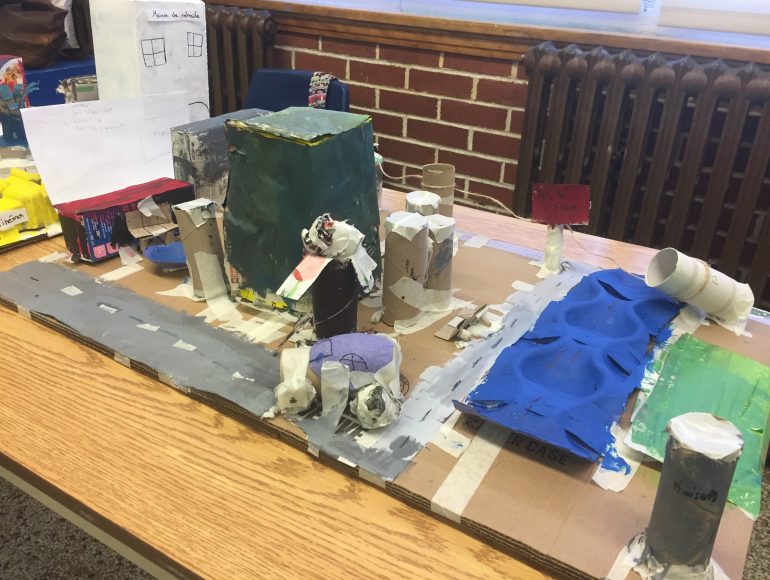
Le projet a mis les élèves au centre d’un processus de changement visant le respect des autres et de l’environnement, ce qui les a encouragés à sortir de la condition d’isolement vécu. Pour ce faire, les ateliers ont été divisés en deux séries : « Notre espace public » et « L’espace public et nous ». Un processus démocratique a été suivi pour la subdivision des classes en sous-équipes, à la tête desquelles quatre ambassadeurs ont été nommés, pour donner lieu à la constitution du « Comité des Ambassadeurs », symbole de l’expérience vécue. En outre, selon les principes de l’art plastique, les classes ont utilisé des matières recyclables pour créer des maquettes en 3D, expression de leur perception de l’espace public et du quartier. Pendant la dernière phase des ateliers, les classes ont présenté leurs maquettes, qui ont fait l’objet de comparaison avec les ressources publiques existantes dans le quartier Saint-Pierre (Carte des ressources pour les familles de Lachine, 2014). Bien que la participation au projet d’une classe d’accueil et d’une classe ordinaire ait donné lieu à l’observation de différentes dynamiques relationnelles et d’approche pendant la réalisation des ateliers, il est important de souligner le désir univoque de tous les participants d’avoir des espaces verts plus accrus et qui leur sont dédiés et, par conséquent, un contact plus profond avec l’environnement.

Le projet a facilité le développement d’un esprit de participation citoyenne, de solidarité et de collaboration plus fort entre les participants. Ce résultat montre que ce projet peut être la base pour la réalisation d’initiatives tant dans le contexte scolaire qu’au niveau communautaire qui nous rapprocheront davantage à l’idée de « Notre espace public ».

Valentina Baraldi

Elle s’occupe de projets scolaires de médiation socio-environnementale entre le Canada et l’Italie. Experte en Global Citizenship Education et Coopération Internationale, ses plus récentes collaborations sont le projet BourseScol’ERE (COP21, 2015) et avec le Groupe de Recherche Appliquée en Macro-écologie (Montréal, Québec). Elle est conceptrice et réalisatrice du projet « Notre espace public ».

/in News, Press/di /Lascia un commento

Incredible Impacts, the WEEC into the winners shortlist

The WEEC Network is in the final shortlist of 12 entries for the 2018 Incredible Impacts Programme organised by BestCities Global Alliance and the International Congress and Convention Association (ICCA).
The Incredible Impacts Programme celebrates the ‘beyond tourism’ value of international association meetings to create a powerful platform to advocate their positive societal impact. A panel of independent judges from the association world will determine three meetings that have shown the greatest impact, and award grants of USD 7,500 on behalf of BestCities and ICCA.
Shortlisted associations represent a broad range of sectors including leadership; scientific innovation; humanitarianism; environmental issues; music; disease; disability, and child neglect.

Paul Vallee, Managing Director of BestCities said: “The Incredible Impacts Programme is a showcase of global excellence of lasting legacies within the meetings and events industry. We have been overwhelmed by the work submitted, which demonstrates the breadth of impact being delivered by associations. A core goal of BestCities is to nurture and develop the purpose of events beyond traditional planning, focusing on vital areas including legacy development, sustainability and accessibility. It is hugely encouraging to see these values being replicated by associations the world over, who are making lasting contributions to the destinations they visit.”

Dennis Speet, ICCA Interim CEO, added: “This is the second edition of the Incredible Impacts Programme and the quality of legacy projects we have received is truly astounding. The variety of industries represented in the submissions demonstrates the wide-ranging and deeply positive impact that the work of international associations has when it comes to finding solutions to societal challenges. We hope that this year’s superb entries inspire other associations and meeting planners to consider how they can create a legacy with their meetings and leave a long-lasting impact on their host destinations.”

The final judging will now take place with the winners to be announced after 10 September 2018.
With the WEEC Network the final shortlist includes: Soroptimist International. The International Society for the Prevention of Child Abuse and Neglect. European Association for Palliative Care. International Council on Social Welfare. Down Syndrome International. African Women in Leadership Organisation. International Association of Science Parks and Areas of Innovation.  International Actuarial Association. The International Society for Music Education. Society for Ecological Restoration. Union for International Cancer Control.

/in News, Press/di /3 commenti

10th WEEC Call for paper

For the first time the World Environment Education Congresses lands in Asia, in a country like Thailand, rich in history, nature, art and traditions.

It is the Tenth World Environmental Education Congress, an event that we want to celebrate with a congress rich in themes and suggestions.

The title of the 10th WEEC (Local knowledge, communication and global connectivity) refers to the relationship between local knowledge and global connectivity.
On the one hand, local knowledge (based on direct relationship with places, experience, heritage inherited from generation to generation) offers contextualized solutions, technologies appropriate to diversity of situations, sense of belonging, emotional involvement, participation opportunities and concrete action.

On the other hand, humans are linked by a common destiny: they are now connected by thousand powerful channels of communication and are mutually interconnected by the effects of everything that happens on the globe. Continuous exchanges of materials and information are the hallmark of the phase that humanity has come to. More than ever, the classic statement of environmental thought that every local thing is global and vice versa is true.

As always, researchers of all disciplines and all people (individuals and organizations, public and private) operating in some way in environmental knowledge and values are invited to participate in the 10th WEEC: academics, teachers, journalists, science disseminators, practitioners, operators of parks, museums, eco-museums, local authorities, associations, etc., because the environment is transversal to every aspect of human knowledge and involves deeply attitudes, behaviors and reflexive critical action at all ages and in every aspect of personal and social life .

Presentations can be used to describe and / or discuss and comment on theoretical positions, researches, criticalities, educational challenges, methods, good/best practices, and educational tools.

Presentations may have different formats, but all of them will obviously have a reference to the educational aspects and sub-themes listed here.

Of course, each group of participants will be maybe fascinated by specific paths through the themes. For example:

1. Teachers and trainers, interested in their work in schools, will focus on Methods and Science about Teaching and Learning EE and sustainability education.

2. NGO’s and civil society will be engaged and interested in change towards a sustainable society, in cooperation for EE and sustainability education, in experiences, outcomes, educational challenges.

3. Politics and media in bringing international contracted goals into reality, and systemic work in politics and media.

4. Vulnerable groups and the call for Eco-justice will focus on strategies, experiences, challenges and solutions for change.

The organisers of the 10th WEEC 2019 would like to stress that the sub-themes are suggestions and not watertight compartments or sealed boxes. So, interaction and cross-disciplinary papers and discussion amongst the delegates will be encouraged.

SUB-THEMES

Section 1: Local Sphere

Theme 1: Understanding and social use of science: science-society-technology-environment and participation.

Theme 2: Ageing Society and sustainability.

Theme 3: Sufficiency Economy for sustainability, sustainable consumption and lifestyles.

Theme 4: Waste and Pollution Management through Environmental Education.

Theme 5: Learning based on sustainable and solidary agriculture.

Theme 6: Disaster Preparedness, Climate change adaptation and mitigation.

Theme 8: Natural Resources and Livelihood.

Theme 9: Research, Design and Innovation.

Theme 10: Eco-citizenship, democracy and mobilization: participatory processes and citizen’s involvement in democratic decision-making processes.

Theme 11: Stakeholders in dialogue: educating public and private organisations for a common task.

Section 2: Environmental Education and Communication Sphere

Theme 11: Science Communication and Social Media.

Theme 12: Interpretation of Science and the Environment.

Theme 13: Environmental Education Programs: Non-Formal Education.

Theme 14: Environmental Ethics, Philosophy and Culture.

Theme 15: The political dimension of Environmental Education.

Theme 16: Environmental Promotion and Networking.

Theme 17: Digital Technology Learning and Environmental Education.

Theme 18: Early Childhood Education and Environmental Education.

Theme 19: Environmental/Sustainability Education, Teachers education and Methodologies for a really effective, empowering, and transformative education.

Section 3: Global Connectivity Sphere

Theme 20: World Green Remediation: education as crucial tool for social, environmental and climate justice and equity in a greener society.

Theme 21: “Common good” and future well-being without poverty.

Theme 22: Urban Ecosystem and Sustainability.

Theme 23: Health, risks and safety, and food sustainability.

Theme 24: Gender Equality, Environmental Education and Sustainability.

Theme 25: Educational policies between renewal and not honoured commitments.

Theme 26: Global Challenge and Policy.

Theme 27: Community and Global Responsibility.

Theme 28: Consciousness and Ecological Tourism.

Theme 29: Peace as a socio-ecological issue.

Submit your abstract here
/in News, Press/di /Lascia un commento

WEEC2019, discovering the themes

The title of the 10th WEEC (Local Knowledge, Communication and Global Connectivity) refers to the relationship between local knowledge and global connectivity.

On the one hand, local knowledge (based on direct relationship with places, experience, heritage inherited from generation to generation) offers contextualized solutions, technologies appropriate to diversity of situations, sense of belonging, emotional involvement, participation opportunities and concrete action.

On the other hand, humans are linked by a common destiny: they are now connected by thousand powerful channels of communication and are mutually interconnected by the effects of everything that happens on the globe. Continuous exchanges of materials and information are the hallmark of the phase that humanity has come to. More than ever, the classic statement of environmental thought that every local thing is global and vice versa is true.

As always, along with the title theme of the congress, various other arguments relevant to environmental education, divided into 8 thematic niches, will be dealt with.

1.Water for Life, Marine Ecology and Conservation, Ecological Services and Biodiversity
2.Food Security and Sustainable Agriculture
3.Air Pollution and Atmospheric Education, Climate Change and Disaster Preparedness
4.Sustainable Energy for All
5.Green Industry, Social Responsibility and Economics Balancing
6.Waste Management, Green Innovation and Urban and Environmental Society
7.Sustainable Life Style and Human Well-Being, Environmental Promotion and Communication
8.Arts, Lifelong Learning in Environment, Global Challenge and Networking

/in News, Press/di /3 commenti

WEEC 2019, the call for paper coming soon

In a few days the call for paper for the Weec 2019 will be open.  It is time to start thinking about what to present during the tenth edition of the World Envirionmental Education Congress that will be held in Bangkok, Tahiland in November 2019, just over a year from now.

The presentation formats are: oral an posters presentation, round tables sessions and workshops.
During the NGOs Forum the organisations will present their programs, projects, and productions. A space with a table will be offered to each NGO for a three hour period, where presenters will interact with Congress participants.

/in News/di /Lascia un commento

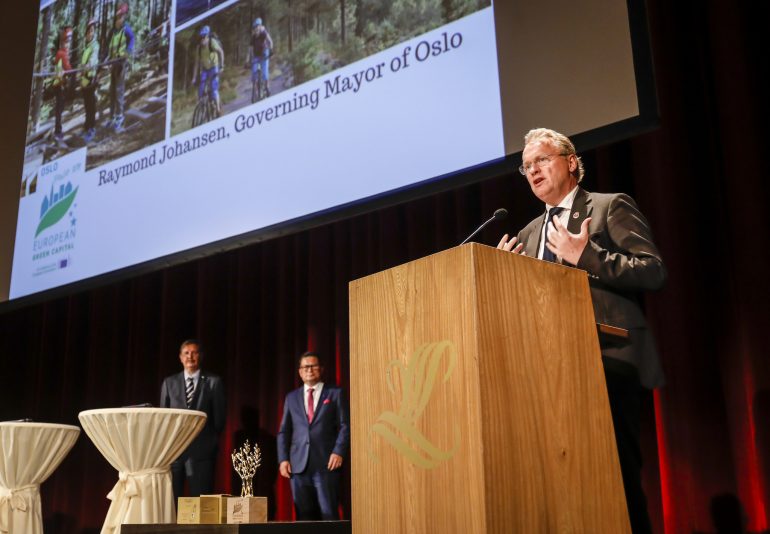
Water, circular economy and mobility: Oslo is the Green Capital City 2019

Oslo, the capital city of Norway, won the European Green Capital Award for 2019. The city is surrounded by the Marka Forest, a nationally protected area, and the Oslo Fjord, both connected by a number of waterways.
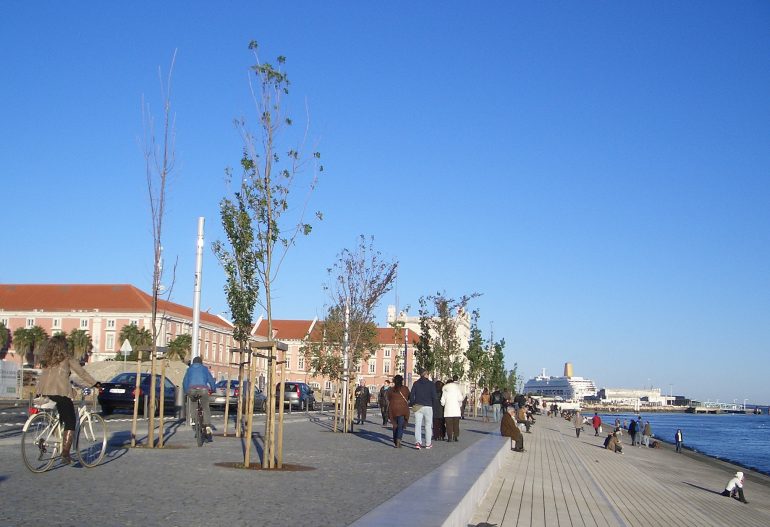
The city’s waterways have been subject to a new revolutionary strategy which has completely reversed the previous approach of enclosing these channels. They are now being actively re-opened in order to make them accessible for people, to efficiently manage stormwater and facilitate development and restoration of habitat.

Tackling climate change is a high priority for Oslo. The city aims to cut emissions by 50% by 2020 (compared to 1990) and to be carbon neutral by 2050. Oslo has introduced a range of integrated measures to achieve these ambitious targets, for example, by promoting zero emissions transport. The city has become the ‘Electric Vehicle Capital of the World’ with 30% of all vehicles now sold in the city being electric.

Improvements in cycling and public transport infrastructure, the introduction of car free zones, and encouraging the use of electric vehicles, will not only help the city reach its climate goals, it will also greatly reduce air and noise pollution, and enhance the urban environment for its citizens.

Innovation and the promotion of new jobs in the circular economy is a priority for Oslo and the city is at the forefront of circular use of available resources. Biogas produced from bio-waste and city sewage is used to fuel city buses and waste trucks.

Oslo also established the ‘Business for Climate Network’ to foster cooperation between the business community, citizens and NGOs in addressing the impact business operations have on the climate.

In 2016, the city introduced a ‘Climate Budget’, an initiative consisting of 42 separate measures across three sectors: energy and the built environment, transport, and resources. Carbon Dioxide emissions are now being counted in the same way a financial budget would account for funding. The unique ‘Climate Budget’ is one of the main initiatives that the City of Oslo is driving to reach its goal of 50% emissions reduction by 2020.


/in News/di /Lascia un commento

Lisbon, European Green Capital 2020

The Portuguese city of Lisbon has won the European Green Capital Award for 2020. These prestigious titles were awarded by the EU Commissioner for Environment, Maritime Affairs and Fisheries, Karmenu Vella, at an awards ceremony in Nijmegen, the Netherlands – the current European Green Capital.
Lisbon receives a 350000 euros financial incentive from the European Commission to kick-start its green capital year.  Commissioner Vella said: “I am delighted to be awarding Europe’s green city awards for the eleventh time to a new champion of urban sustainability, and for the sixth and seventh time to smaller green cities. Globally we are faced with enormous environmental challenges. Climate change, over consumption, plastic waste and biodiversity loss are major threats to our cities and our future. It is heartening and inspiring to see such strong leadership from Lisbon, and other European Green Capital winners. With best practice environmental management, good urban planning, and citizens at the heart of their green transformation, they showed how to turn environmental challenges into opportunities, and make their cities healthy and enjoyable places to stay, live and work in.”

The Expert Panel highlighted that Lisbon is particularly strong in the field of sustainable land use, sustainable urban mobility (transport), green growth & eco innovation, climate change adaptation and waste: Lisbon was the first capital in Europe to sign the New Covenant of Mayors for Climate Change and Energy in 2016, after achieving a 50% reduction in C02 emissions (2002-14); reducing energy consumption by 23% and water consumption by 17% from 2007 to 2013;
It has a clear vision for sustainable urban mobility, with measures to restrict car use and prioritise cycling, public transport, and walking. In 2017 Lisbon launched a bike-sharing scheme, with electric bikes comprising two thirds of the fleet to encourage cycling in the hillier parts of the city; It has one of the world’s largest networks of electric vehicle charging points, while 39% of the municipal car fleet is electric; 93.3% of people in Lisbon live within 300 m of a frequent public transport service; 76% of people in Lisbon live within 300 m of green urban areas, and It has a strong commitment to sustainable land use with particular focus on establishing green infrastructure, or connected networks of green space, to counteract the effects of climate change, such as drought, extreme heat, and storm flooding.