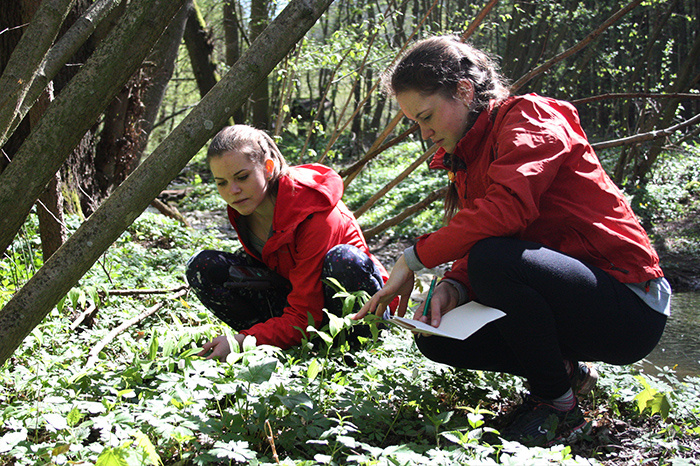
 At the field sessions – ten sessions, organized by nine Czech environmental education centers – as a participant, you may engage in sharing your experience about environmental education in contemporary zoological gardens, discuss the challenges of inquiry-based learning programs and you may enjoy discussions in smaller groups of people of the same interest in non-formal settings and find new partners for your future projects
4 field sessions will take place in Prague, 6 in the environmental education centers out of Prague, which also offers great opportunity to explore the host country.
5 field sessions include overnight followed by a trip with local environmental educators. Participants thus will have opportunity to explore landscapes, landmarks and tastes of Bohemian Paradise, Moravian karst, Krkonoše mountains, Brno and Bohemian – Moravian highland.
Let’s have a look!
Participative approaches in environmental education at schools
What are the benefits of emancipatory, participative approaches in EE? And what happens if you introduce highly participatory program such as Eco-Schools to a school system which is instrumental at its core? We will be discussing how we can promote participative learning in traditional schooling settings, the culture clashes we can expect and possible outcomes we can get in the long run.
Contributions: 10 – 30 minutes contributions on research and good practice regarding instrumental vs. emancipatory approaches in education, involving participants in a programme, enabling students to play active and influential role in shaping environmental education.
Organizing institution: TEREZA educational centre, one of the oldest environmental education NGOs in the Czech Republic. Current focus of the institution is on coordination and development of long-term programmes for schools: Eco-Schools, GLOBE, Learning about Forest (LEAF) and Young Reporters for the Environment (YRE). TEREZA also promotes outdoor learning, both towards teachers and parents. TEREZA is the Czech representative at the Foundation for Environmental Education (FEE) and hosts the GLOBE Program Region Coordination Office for Europe and Eurasia.
Schools as enviromental campaigners
When teachers and pupils really get and believe environmental message, they often become agents of change. From identifying and solving local environmental issues to bringing attention and discussing the global ones, schools can reach and educate the whole communities. How can we help them develop their most active roles?
Contributions: 10 – 30 minutes contributions on schools as centres of local environmental campaigns and agents of global ones. Roles of different stakeholders, legal issues, curricular links. Both research and good practice are welcomed. It is organised by TEREZA.
 Animal farming in environmental education and animal welfare concerns
We will be discussing, what is the effect of direct contact of children with animals. Does livestock has a role in environmental education and what are relevant animal welfare concerns? How to develop programmes that include domestic animals?
Contributions: 15 – 30 minutes contributions on research and good practice in connecting children with farming and livestock. Environmental education effects and concerns regarding animal welfare during these activities will be discussed.
Organizing institution: Toulcův dvůr, environmental education centre. It is the largest environmental education centre in Prague. It is located in a farm estate that dates back to 1362 and includes farmland with livestock, orchard and several natural habitats on the 10 ha estate. Four NGOs provide wide range of environmental education activities including programmes for schools, past-time clubs for children and parents, nature kindergarten and teachers’ training.
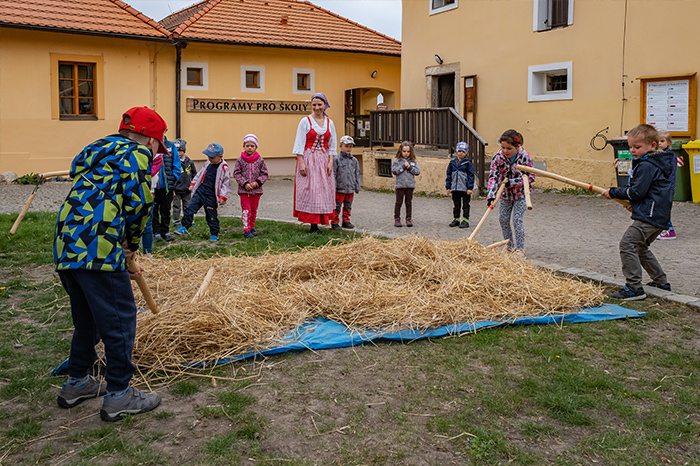
Folk traditions and traditional crafts in environmental education
Traditional crafts are popular topic of environmental education programmes in countries like the Czech Republic. During this field session we will be discussing why is that, what is the contribution of traditions to environmental education – is it just dreaming about unreal past or a cornerstone of the sustainable future? Do traditional crafts programmes represent opposition to 21st century technologies and why do we cherish them?
Contributions: 15 – 30 minutes contributions on the topic of traditional crafts and folk traditions in environmental education. Both research and good practice are welcomed.
It i orgnised by Toulcův dvůr, environmental education centre
Learning by Nature
The field session will be looking at outdoors as a way to understanding, perception and appraisal of the environment. In particular we will explore different aspects of outdoor education within formal environmental education and methodology for outdoor education.
Social dimension: participants will be staying overnight and socializing at Jezírko residential centre located near Brno. Visit to Brno historical centre is planned for Friday morning.
Contributions: 15 – 30 minutes contributions on research and good practice in the wide topic of environmental education at schools in outdoor settings.
Organizing institution: Lipka, environmental education centre. Lipka is one of the largest environmental education institutions in the Czech Republic. It runs 5 facilities providing one-day programmes, residential courses and adult education. Its clients range from pre-schoolers to high-school teachers, professionals as well as general public. Summer camps and non-formal education clubs are important part of Lipka’s scope of activities.
Alienation from nature
The field session will be looking at forms of children alienation from nature and its consequences for education. Particular attention will be paid to the role of environmental education programmes with ambition to mitigate the process.
Social dimension: Participants socializing in the unique environment of a fully equipped outdoor camp and staying overnight in bungalows. Guided tour through the famous gorges and rock sculptures of the Bohemian Paradise will take place on Friday morning.
Contributions: 15 – 30 minutes contributions on research and good practice in the wide topic of alienation from nature.
Organizing institutions: STŘEVLIK and SEDMIHORKY. STŘEVLIK is the environmental education centre of the Liberec regional government. The field session is held in cooperation with the Centre of environmental education Sedmihorky, which is located in the heart of the Bohemian Paradise Protected Landscape Area. Both partners run a variety of residential environmental education programs aimed at appreciation of the natural environment and targeting alienation from nature.
Nature and Community as the Best Classrooms – Place-based learning and service learning as a tool for responsible environmental behaviour
We will jointly discuss and share practice in place-based learning and service learning as tools for responsible environmental behaviour. Expect case studies from the local landscape – Czech oldest national park Krkonoše.
Contributions: 15 – 20 minutes contributions on research and examples of good practice on principles and methodologies of place-based learning and its benefits for sustainability education.
Social dimension: Participants will be staying overnight in a former parish house from late 16th century that belongs to the centre. Hiking to special places of the Czech-Polish Krkonoše mountains national park is planned for Friday. It will be offered in options adapted to weather, interests and physical abilities of participants.
Organizing institution: SEVER – The Rýchory Centre of Environmental Education and Ethics. SEVER operates 3 facilities in the northern part of Bohemia. The centre in Horní Maršov organizes both one-day and residential programmes for primary and secondary schools using the local landscape of the Krkonoše mountains that underwent significant changes in 20th century. SEVER also offers wide range of courses, seminars, consultations for educators and is one of the most prolific Czech EE organisations regarding international cooperation.
EE in modern ZOO
The field session will be looking at the role of ZOOs in environmental education. Is this a contradiction in terms, or do zoos provide excellent setting for environmental programmes due to their role in conservation of endangered species? Join us for the discussion and local case studies.
Contributions: 15 – 30 minutes contributions on research and good practice on the role of ZOOs in environmental education.
Organizing institution: DIVIZNA. It is a municipal environmental education centre in Liberec that operates along with a ZOO. The centre offers educational programmes for all types of schools, supports teachers in their environmental education effort and coordinates several programmes at regional level.
School gardens and school forests
Being introduced to curricula of many European countries in 19th century, the school gardens were considered important outdoor laboratories introducing children to biology, agriculture and working skills. During the workshop we will be discussing rejuvenation of school gardens and their role in environmental education today. The local case study, will also look at schools taking care of forests.
Contributions: 15 – 30 minutes contributions on research and good practice in the field of schools gardens or similar incorporation of long-term land management into curricula.
Social dimension: participants will be staying overnight in a former forestry lodge dating back to 18th century. Visit do Telč UNESCO heritage town is planned for Friday morning on the way back to Prague.
Organizing institution: Chaloupky. It is one of the oldest residential environmental education centres in the Czech Republic. Today it operates 7 facilities across the Vysočina region – picturesque highland landscape in the centre of the country. The centre provides environmental education programmes for all ages, supports teachers both at regional and national level, pioneers garden therapy and is also involved in hands-on conservation of several natural sites.
Inquiry based environmental education
We will be discussing contribution of experiential scientific learning to environmental education. What are the variables that turn a field course into a memorable experience with real impact on environmental understanding? Does understanding of science help in solving environmental problems?
Contributions: 15 – 30 minutes contributions on research and good practice in the field of inquiry based education, development of critical thinking and scientific skills.
Social dimension: participants will be staying overnight in a former mill established in 18th century, destructed in WWII, ruined by communists and rejuvenated by scouts. Expect non-formal talk at a campfire near places where hunters lived 14 thousands years ago. Visit to popular Punkva Caves or real caving experience are options for Friday morning.
Organizing institution: Kaprálův mlýn, Scout Environmental Education Centre. It is a leading SCENES centre (Scout Centres of Excellence for Nature, Environment and Sustainability). It is located in the Moravian karst with caves, underground rivers and 10 other habitats at its doorsteps. The centre focuses on inquiry based programmes for high-schoolers both in local nature and using its eco-friendly venue packed with ecotechnologies. Both professional staff and international volunteers operate the centre.


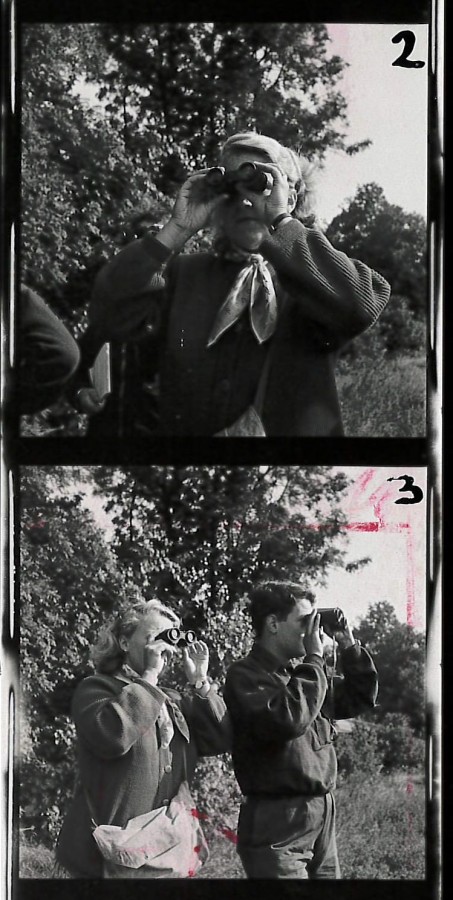 The event is conceived as the culmination of a study cycle on the theme of the history of nature-environment animation in those years. It aims to open up new avenues, to identify researchers in this field and to attempt a first synthesis of elements collected since 2016 within the framework of 6 preparatory study days.
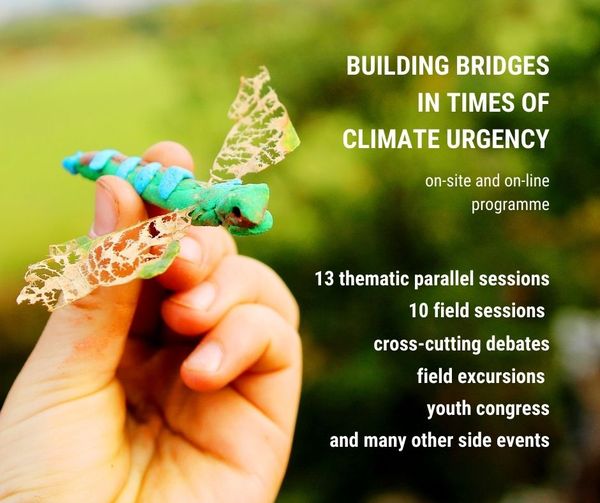
 The 11th WEEC wants to be a bridge between the theory and the practice. In addition to parallel sessions shaped by researchers and scholars, we offer ten sessions, organized by nine Czech environmental education centers. At the field sessions, Congress participants may spend 1-2 days in urban or outdoor centers by discussing a broad scale of topics defined by the practitioners.
 For the first time in its history, the World Environmental Education Congress is offering an opportunity to also participate in the online environment. The difficult pandemic situation shifted most of the environmental and sustainability education events to cyberspace in 2020, and while it is reasonable to expect that the situation will improve in the 2021, the on-line alternative seems to have become a new standard.