11th WEEC: Hybrid, young and integrated
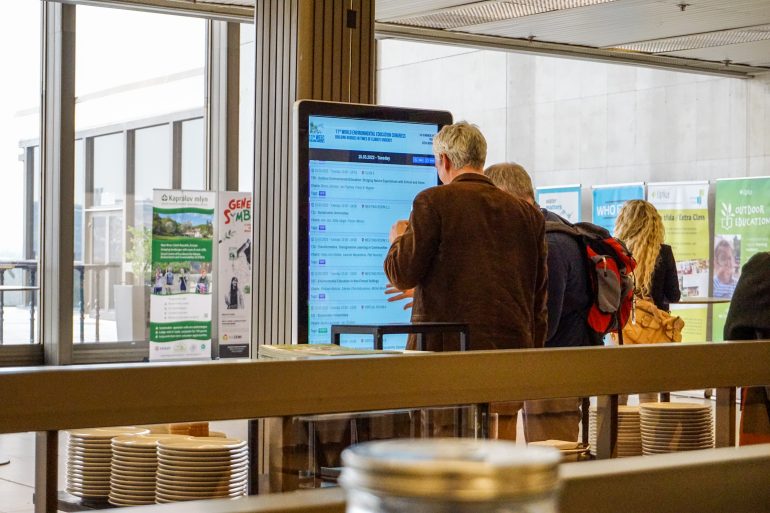 The 11th edition of the WEEC world environmental education congress has come to an end.
A special edition, held in Prague (Czech Republic) from 14 to 18 March 2022, characterized during its organization, by two years of pandemic. This has led to a change in the travel and training habits of all environmental educators, teachers and researchers, associations and institutions.
The WEEC adapted to the new context proposing for the first time a hybrid edition. It was a bet, which we can say we have won: about a third of the delegates participated online, making the participation possible for those who couldn’t or didn’t move (for health reasons, uncertainty linked to travel or for the costs).
The hybrid congress – which will probably remain in the next editions – will open the door to many new delegates, becoming more and more inclusive and welcoming. Environmental education is not for “a select few”, it must involve associations, parks, young people… and the 11th congress in Prague did it. «The future belongs to hybrid congresses – said Prof. Jan Cincera, co-chair of the congress and LOC organiser – I was quite sceptical about this, however in reality it worked very well. There may not be a covid in the next few years, but we will be certainly dealing with the carbon footprint. The key is to professionally provide and set up the interactive platform to suit the needs of the event. We were the first hybrid WEEC in history, but probably not the last».
The youth congress was a great success, it gathered over 120 participants from 22 countries and allowed children to compare themselves with each other and also with the adult congress. «The linking the “big” congress with the youth congress worked very well – added Cincera – In the future, I could imagine a higher level of integration between the two events. The YEEC organizers did a great job!»
An online platform with recordings of all content is built, extending the congress beyond its runtime, a participatory way, for creating a wider community. «The linking of the “academic” and “field-based, practice-oriented” parts also worked very well. Again, I could imagine a higher level of integration. Both “theorists” and “practitioners” have their own unique perspectives and it is important that they meet from time to time».
The 11WEEC is a new stage of the path started in 2003, with inspiring debates, conferences, and presentations. Every congress is a milestone for environmental education worldwide «but the congresses should above all be an opportunity of coagulation for a flow of energies, proposals, regenerative learning experiences, and best practices – explained Prof Salomone, Secretary General of the WEEC Network – It is crucial to fill the time between a congress and the next one, not only as individuals or education bodies but as a worldwide network.
As permanent secretariat, our human and technical resources are limited but are at the disposal of the worldwide community of researchers, teachers, and educators.
So, many positions are open at the network: positions for volunteers, for goodwill people. We must enhance initiatives and prepare at best the next congress thanks to the help of a large community».
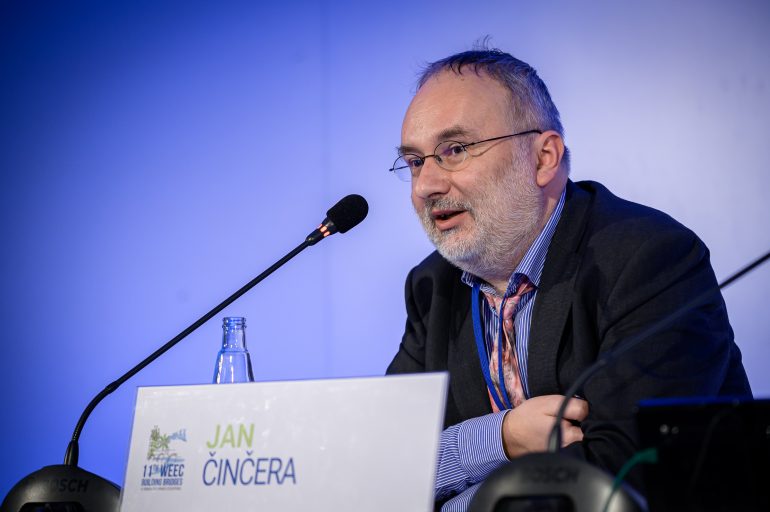 The future belongs to hybrid congresses. I was quite sceptical about this, however in reality it worked very well. There may not be a covid in the next few years, but we will be certainly dealing with the carbon footprint. The key is to professionally provide and set up the interactive platform to suit the needs of the event. We were the first hybrid WEEC in history, but probably not the last.